Shrimply Explained is currently undergoing renovations. Please don't buy anything yet. Thank you!
One of the most anxiety-inducing moments in shrimp keeping is seeing a white ring around your shrimp's body. Is it the dreaded "White Ring of Death," or just a normal pre-molt ring? According to conventional wisdom, you can't tell the difference until the shrimp either molts successfully or dies trying. But is that really true? Or are there signs that can help us predict molt failure before it's too late?
We decided to find out by conducting actual research – surveying 20 real cases from Reddit posts about molting problems, making predictions based on specific visual signs, and then following up to see what actually happened.
The results surprised us. While certain signs do increase the likelihood of molt failure, the correlation isn't nearly as strong as expected. Let's dive into what we thought predicted a failed molt, how accurate those predictions were, and what this means for managing your shrimp tank.
Other Shrimp Content
We have a lot of content coming soon. Please follow us on social media and subscribe to our newsletter for updates and useful shrimp care tips!
The ability to distinguish between a healthy pre-molt ring and a genuine problem serves two important purposes for shrimp keepers:
Reducing Unnecessary Anxiety
When you first start keeping shrimp, every white ring causes panic. Is this normal? Is my shrimp about to die? Should I be doing something? Without reliable indicators, you're left monitoring your tank anxiously, only to watch the shrimp molt perfectly fine a few hours later. Being able to identify genuinely concerning signs versus normal pre-molt preparation helps you worry less about the healthy cases and focus attention where it's actually needed.
Enabling Early Intervention
Some shrimp that fail their molt seem to survive for up to several weeks afterward. If you can identify molting problems early, then you have time to address underlying causes like mineral deficiencies or dietary issues. Early detection means you can potentially save more shrimp by fixing the root problem rather than just reacting to deaths.
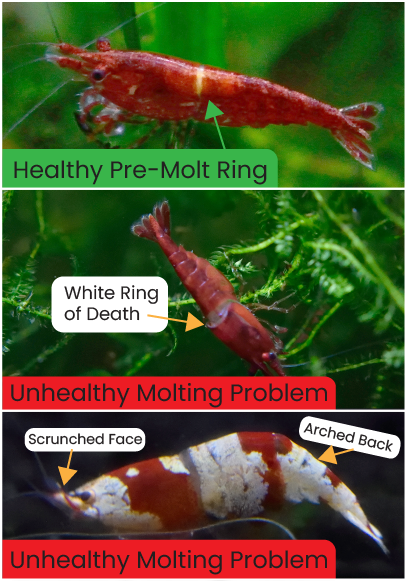
Is this accurate? Let's find out.
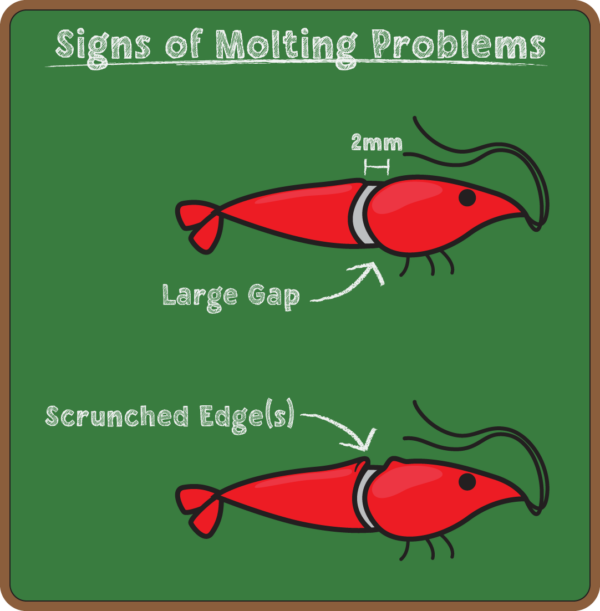
Based on observations across multiple tanks and shrimp species, two visual signs seem to distinguish problematic molts from healthy pre-molt rings:
Sign #1: A Large, Sustained Break (≥2mm)
A problematic break stays consistently visible at roughly 2 millimeters or larger, no matter how the shrimp positions itself.
Shrimp very close to molting sometimes show temporary large breaks when they stretch or bend their bodies into what the youths aptly call “shrimp pose”. These perfectly normal breaks appear and disappear based on posture.
Sign #2: Scrunched or Irregular Edges Around The Break
When the edges around the break look crumpled, scrunched, or irregularly textured – regardless of break size – it suggests the shrimp has already attempted and failed to escape its shell.
To move beyond anecdotal observation from our tanks, we needed real data from multiple cases. Here's how we conducted the research:
Finding Qualifying Cases
We searched Reddit for posts about white rings of death and molting problems, looking for cases that met two criteria:
The Testing Process
For each qualifying case:
We collected 20 responses total – enough to identify patterns while acknowledging this is preliminary research, not a definitive scientific study. There’s also a concern with respondent accuracy, as it’s impossible to verify that they tracked which shrimp molted or didn’t with 100% certainty. We think responses are fairly reliable as many of these shrimp keepers are new, so they have fewer shrimp to keep track of and are more likely to be monitoring their tanks out of concern.
Want to try the method out for yourself? We've included 8 examples below including our predictions and the real results in dropdown boxes next to (or below on mobile) each example. Or you can skip to the results.
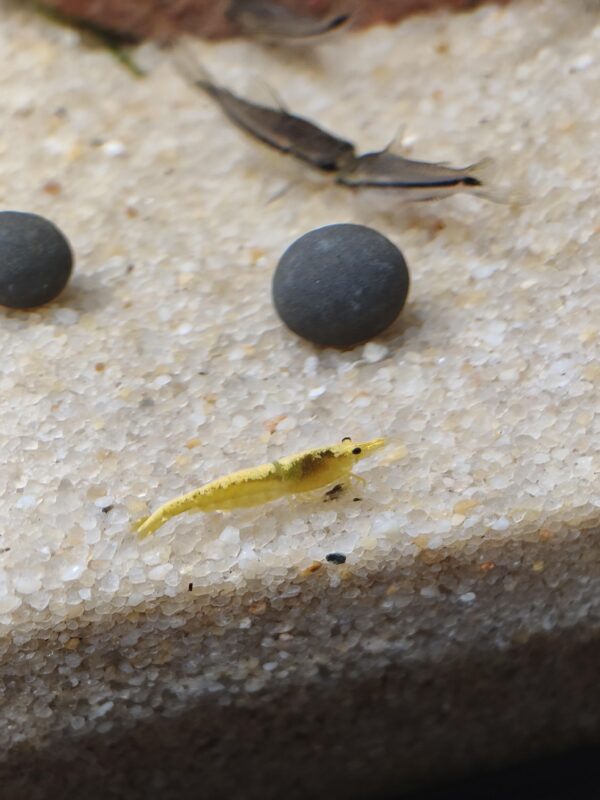
Credit: u/mansro
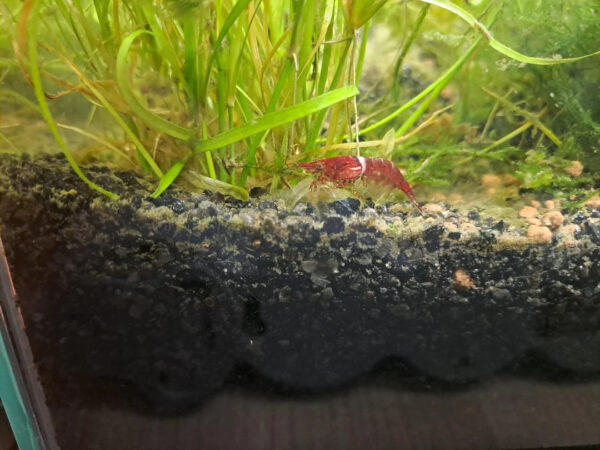
Credit: u/fredward19
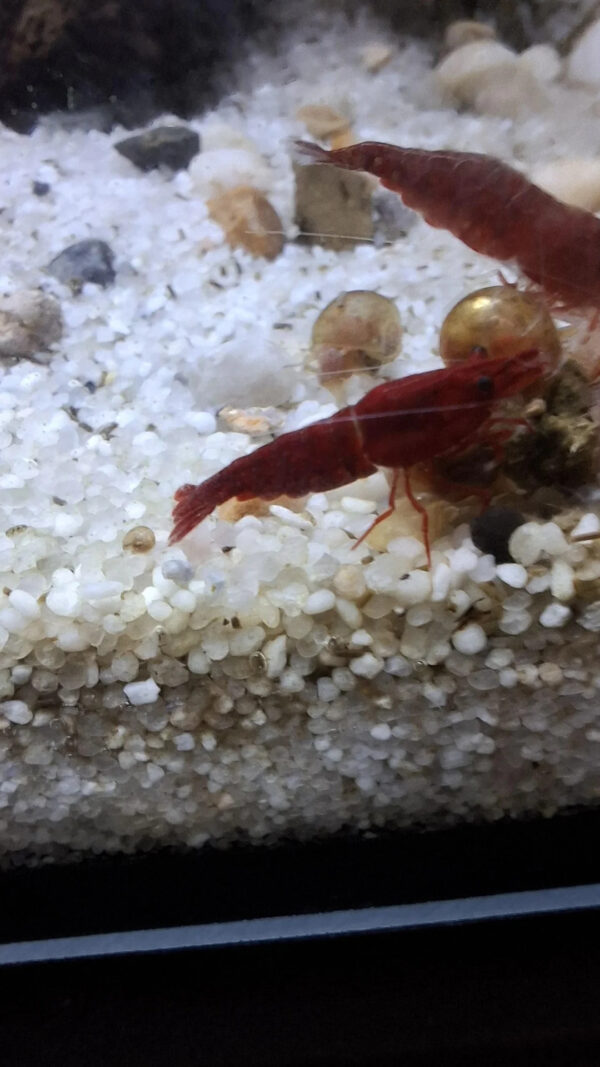
Credit: u/PositiveData252
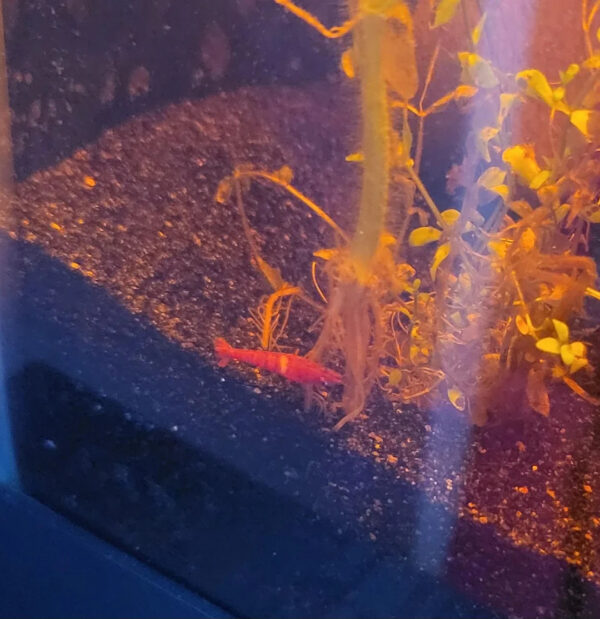
Credit: u/interesting-run-5823
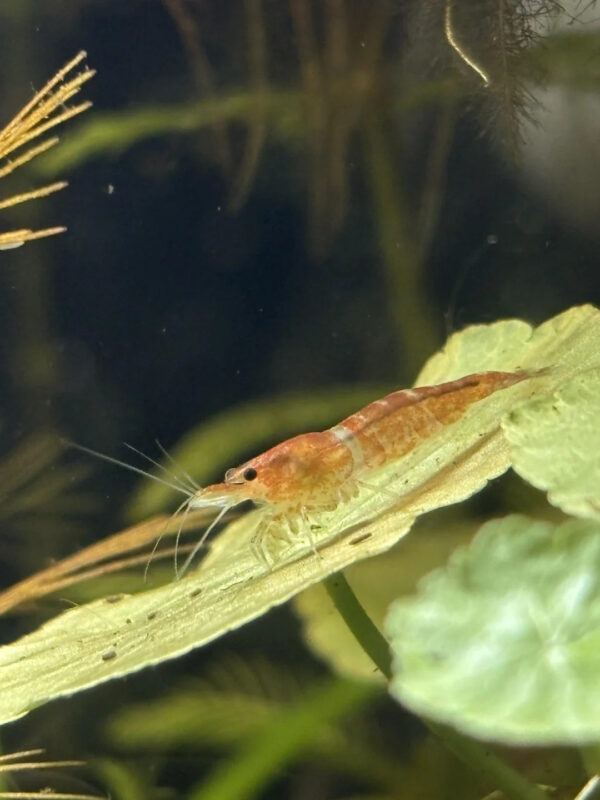
Credit: u/shooter2262
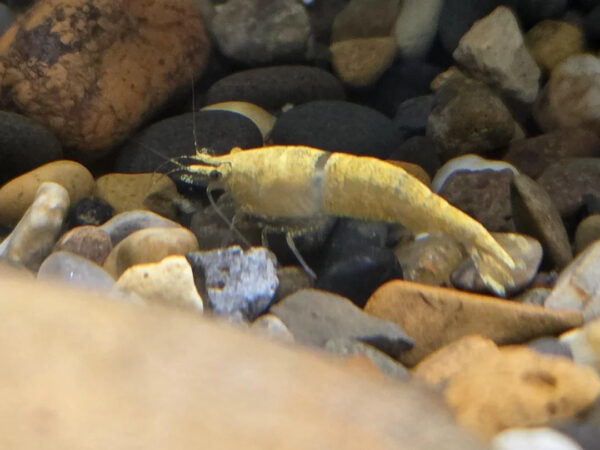
Credit: u/WhiskWell
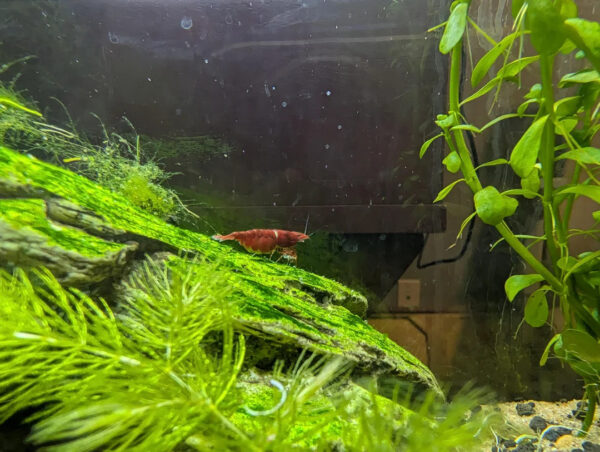
Credit: u/BungalCream
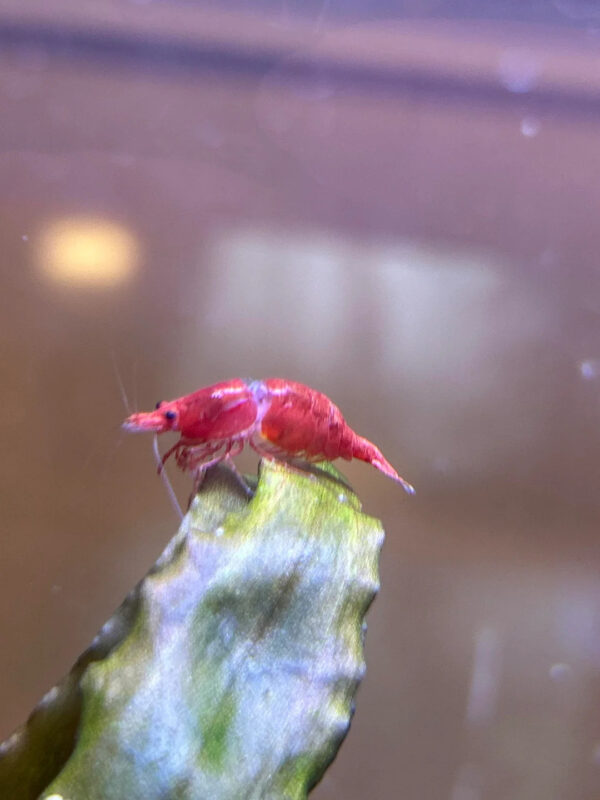
Credit: u/popular-product-8480
Here's where my hypothesis met reality, and reality won.
Overall Accuracy: 65%
Out of 20 cases, we were wrong 7 times. That's a 35% error rate for something we were quite confident about going in. The overall number doesn't tell the full story though. A pattern emerges when we break it down by prediction type:
When we predicted successful molts (10 cases):
When we predicted failed molts (10 cases):
Some specific cases challenged our hypothesis:
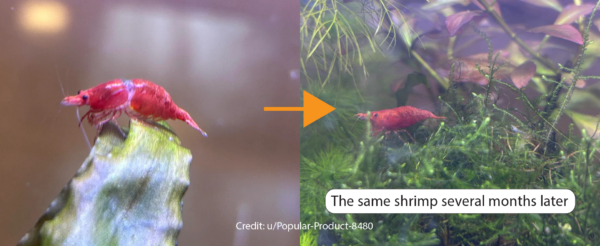
Can you identify the White Ring of Death with 100% certainty before a shrimp dies? No.
Do large breaks and scrunched edges indicate increased risk of molt failure? Yes, but not as dramatically as I expected.
Approximately 60% of shrimp showing these "problem" signs still molt successfully. The signs shift the probability and are a cause for concern, but they don't provide certainty. This suggests that we can only use the White Ring of Death for shrimp that have died and need a different name for shrimp with large breaks and/or scrunched edges. Maybe Schrödinger’s Shrimp Ring? Feel free to email us at contact@shrimplyexplained.com with suggestions!
Several factors might explain why so many "problematic-looking" molts still succeeded:
One useful practical finding: molting issues typically resolve quickly. Nearly all shrimp showing a concerning ring from the survey either molted successfully or failed within approximately 24 hours. You won't be left in suspense for days or weeks.
Given these findings, here's practical guidance for evaluating white rings:
If you see one shrimp with a questionable ring:
If you see multiple shrimp showing concerning rings or multiple molting deaths over time, that indicates a systematic problem requiring attention. Common causes of widespread molting problems include:
While not definitive, the signs do provide useful information:
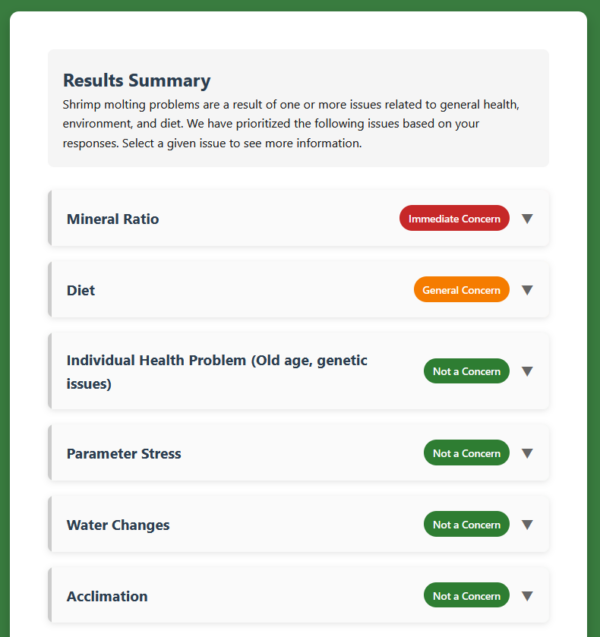
Rather than guessing, use a systematic approach to identify the most likely cause. Our free Shrimp Tank Troubleshooting app helps prioritize possible causes of molting problems and offers specific solutions for each, helping you address issues methodically rather than throwing random solutions at the problem.
Can you predict a failed molt before your shrimp dies? Sort of, but not reliably.
Large breaks and scrunched edges do increase the likelihood of molt failure, but about 60% of shrimp showing these signs still molt successfully. This research taught me that predicting individual outcomes with certainty is much harder than I thought.
What we can say with confidence:
The most important takeaway isn't about predicting individual cases – it's about recognizing when you have a systemic problem versus normal variation. A single questionable molt? Monitor it, but don't panic. Multiple molting issues across your colony? Time to investigate water parameters, mineral ratios, and diet.
Understanding the limitations of visual assessment helps us worry less about healthy shrimp while staying alert to genuine colony-wide problems. That's a more useful outcome than trying to predict individual fates with false confidence.
If you want to understand the “why” of shrimp keeping – why shrimp fail their molt, why older tanks may “randomly” experience molting issues, why parameters change, and a lot more valuable information – then check out The Science of Shrimp Keeping! Over 300 pages of useful info to help you succeed with shrimp keeping and appreciate the fascinating biology in a tank. It’s all Shrimply Explained and supported by over 150 scientific citations.
Thanks for reading and happy shrimpin’!